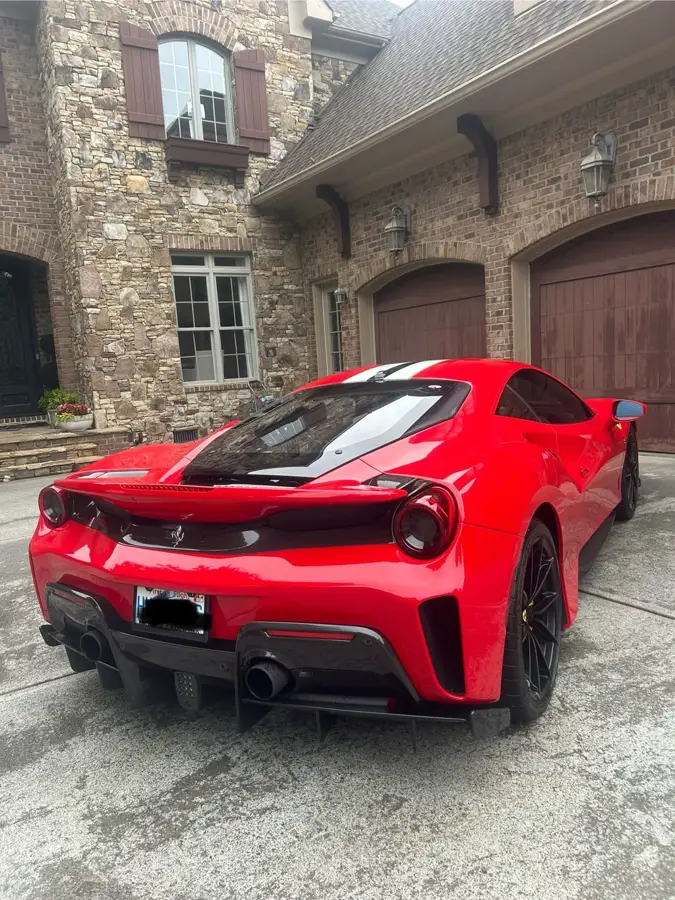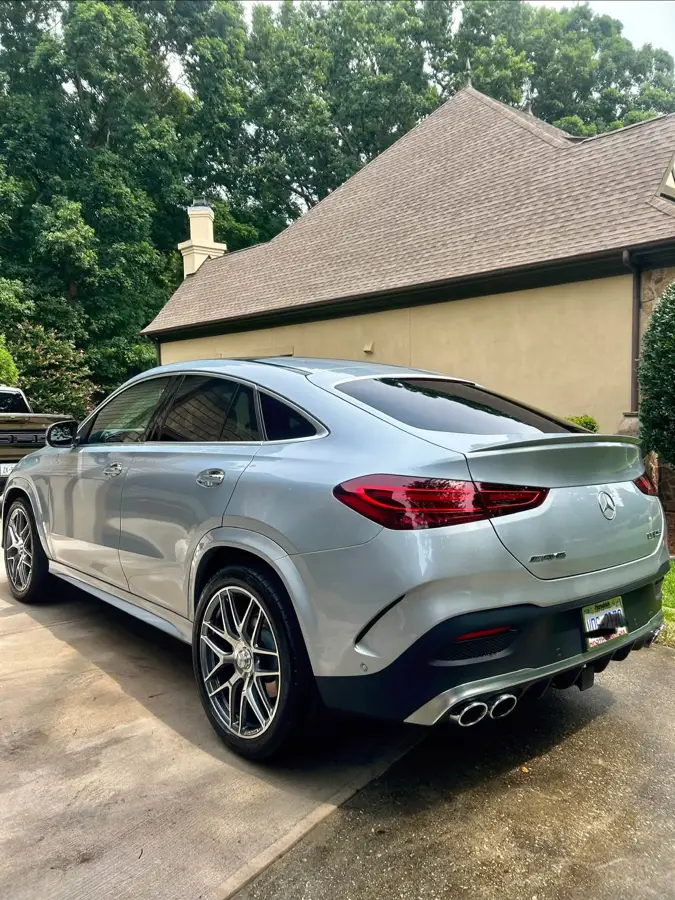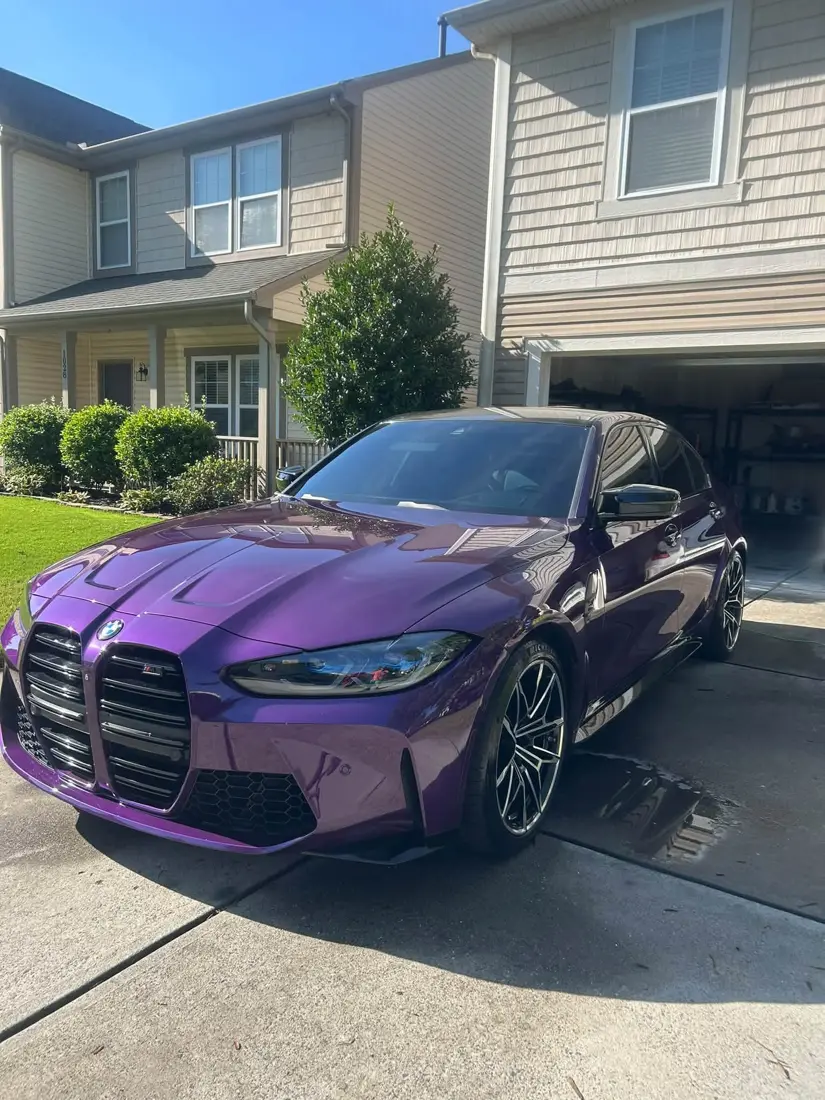
If you live in Waxhaw, you know the yellow film that covers every car in spring and the sticky dots that drop from loblolly pines all summer. Both can damage paint if you remove them the wrong way.
Removing pollen safely
- Rinse first. Pollen is gritty. Wiping it dry, or with a quick-detailer spray, drags it across the paint and causes swirl marks.
- Use a foam pre-wash or a generous rinse to loosen as much as possible before touching the paint.
- Wash with two buckets, one soapy and one rinse, and a clean microfiber mitt.
- Dry with a plush towel or a blower, never a squeegee.
- Change your cabin air filter after the season to cut down on pollen blowing through the vents.
Removing tree sap
Fresh sap often comes off with a dedicated bug-and-tar remover or isopropyl alcohol diluted on a microfiber towel. Let it soften for a minute, then lift gently. Don’t scrape with a fingernail or razor blade.
Hardened sap that has baked on for weeks is a different problem. It often needs a clay bar, and if it has etched the clear coat, a machine polish to level the mark out.
Sap that won’t budge? That’s a quick fix for us during an exterior detail. Text a photo to 704-635-9331.
Keeping it off
Protected paint is the best defense. A sealant or ceramic coating gives pollen and sap less to grip, so most of it rinses away. If you can, avoid parking directly under pines during the heaviest weeks, and wash more often in spring.
What not to do
- Don’t use dish soap. It strips wax and dries out trim.
- Don’t use household cleaners or acetone on paint.
- Don’t run a pollen-covered car through a brush car wash.
Book a detail in Waxhaw
Family-owned mobile detailing from Matthew, Brian and Tyler.